
Are you tired of seeing outdated or incorrect information on your credit report date of last activity? Do you feel like your credit score is being held back by inaccurate date of last activity on credit report? If so, it’s time to take control of your credit future by mastering the art of the date of last activity dispute letter.
Many individuals, entrepreneurs, and those interested in the credit repair industry often overlook the significance of the date of last activity credit report. However, this seemingly small detail can have a substantial impact on your overall credit health and your ability to achieve your financial goals.
Start Today and Explore the Features Firsthand!
Understanding the Date of Last Activity
Before we dive into the intricacies of crafting an effective date of last activity dispute letters, let’s first understand what the date of last activity means and why it matters.
The date of last activity refers to the most recent date when there was any activity on a particular credit account. This activity can include payments, charges, balance transfers, or any other transactions. Essentially, it represents the last time an account was used or updated.
Why is the Date of Last Activity Important?
The date of last activity on credit report plays a crucial role in determining how long certain items, particularly negative ones, will remain on your report. In most cases, negative items such as late payments, collections, charge-offs, and bankruptcies will stay on your credit report date of last activity for seven years from the date of last activity.
This means that if the date of last activity credit report is inaccurately reported, it could extend the time that negative items remain on your credit report, thereby hindering your credit score and your ability to secure loans, credit cards, or even employment opportunities.
Identifying Errors in the Date of Last Activity

Before you start writing your date of last activity dispute letter, it’s essential to review your credit report thoroughly and identify any errors related to the date of last activity on credit report.
Some common errors you may encounter include:
- Accounts showing activity or updates after they were closed
- Accounts with incorrect last payment dates
- Accounts with outdated balances or credit limits
- Accounts that should have aged off your report but are still present
If you spot any of these errors or discrepancies, make a note of them, as they will form the basis of your date of last activity dispute letters.
Start Today and Explore the Features Firsthand!
Crafting Your Date of Last Activity Dispute Letter

Now that you have identified the errors in your date of last activity credit report, it’s time to start drafting your dispute letter. Here’s a step-by-step guide to help you create a compelling and effective date of last activity dispute letter:
Step #1: Gather Supporting Documents
To strengthen your dispute case, compile any documentation that supports your claim of an incorrect date of last activity. This may include:
- Account statements showing the correct date of last activity
- Payment receipts or bank records demonstrating when you made your last payment
- Correspondence with creditors or collection agencies that support your claim
- Any other relevant paperwork that substantiates your dispute
Having this documentation readily available will make the dispute process smoother and increase your chances of a successful resolution.
Step #2: Use a Professional Letter Format
When drafting your date of last activity dispute letter, it’s essential to use a professional and clear format. Begin your letter with your personal information, including your:
- Full name
- Current mailing address
- Phone number
- Email address
Next, include the date and the name and address of the credit reporting agency you are contacting. This information is crucial to ensure your letter reaches the right recipient.
In the subject line of your letter, clearly state the purpose of your correspondence, such as “Dispute of Inaccurate Date of Last Activity on Credit Report.”
Step #3: Identify the Disputed Items
In the body of your letter, clearly identify the specific accounts and the date of last activity on credit report that you are disputing. Provide the following details for each disputed item:
- Account name or creditor
- Account number
- The incorrect date of last activity currently reported
- The correct date of last activity you are assertin
Be as specific as possible when identifying the disputed items to ensure that the credit reporting agency can easily locate and investigate the accounts in question.
Start Today and Explore the Features Firsthand!
Step #4: Explain the Errors
After identifying the disputed items, provide a clear and concise explanation of why you believe the date of last activity credit report is incorrect. For each account, detail the following:
- The nature of the error (e.g., “The date of last activity is reported as MM/DD/YYYY, but the account was actually closed on MM/DD/YYYY.”)
- Any supporting documentation you have to substantiate your claim (e.g., “Please see the attached account statement from MM/DD/YYYY, which shows the account was closed on that date.”)
- The corrective action you are requesting (e.g., “Please update the date of last activity on credit report to reflect the correct date of MM/DD/YYYY.”
Remember to be factual and straightforward in your explanations, as this will help the credit reporting agency understand and investigate your dispute more efficiently.
Step #5: Request an Investigation and Resolution

After explaining the errors, firmly request that the credit reporting agency conduct an investigation into the disputed items and update your credit report date of last activity with the correct dates of last activity. Emphasize that, under the Fair Credit Reporting Act (FCRA), the agency is required to investigate and respond to your dispute within 30 days of receiving your letter.
You may also want to include a statement requesting that the credit reporting agency notify you in writing of the results of their investigation and provide you with an updated copy of your credit report reflecting any changes made.
Step #6: Keep Records and Follow Up
Before sending your date of last activity dispute letter, make copies of the letter itself and any supporting documents you are including. It’s essential to maintain a thorough record of your correspondence for future reference.
Consider sending your letter via certified mail with a return receipt requested. This will provide you with proof of delivery and a timestamp of when the credit reporting agency received your dispute.
If you don’t receive a response from the credit reporting agency within the 30-day timeframe outlined in the FCRA, follow up with them promptly. If the agency fails to respond or does not satisfactorily address your dispute, consider escalating your complaint to the Consumer Financial Protection Bureau (CFPB) or seeking the assistance of a credit repair professional or attorney.
Start Today and Explore the Features Firsthand!
Streamlining the Dispute Process with Client Dispute Manager Software

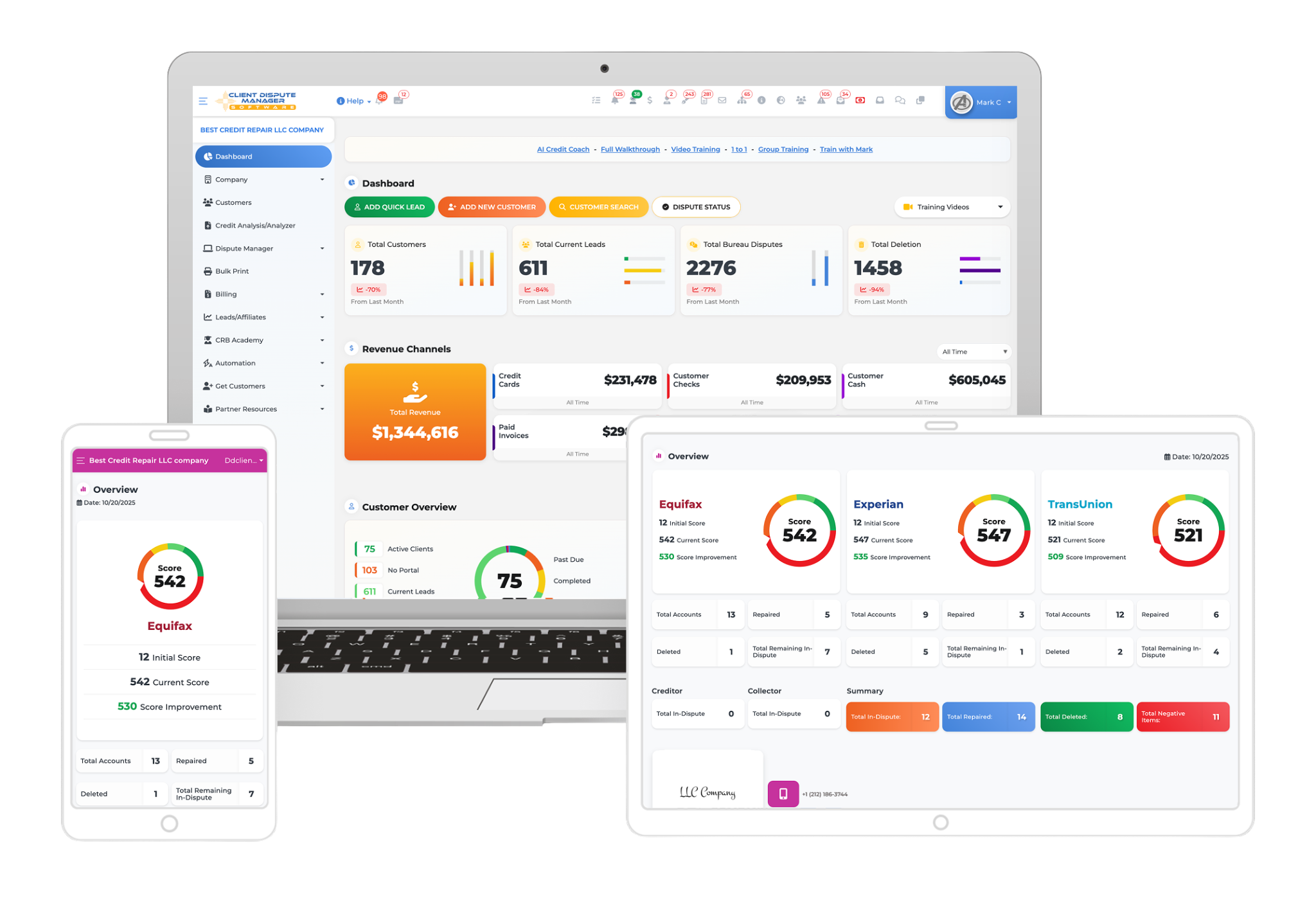
For those in the credit repair industry, managing multiple client disputes can be a time-consuming and complex process. This is where Client Dispute Manager Software comes into play.
Client Dispute Manager Software is designed to streamline the dispute process, making it easier for credit repair professionals to handle a high volume of client disputes efficiently. Some key features of this software include:
- Automated Dispute Letter Generation: The software can generate personalized date of last activity dispute letters based on the specific details of each client’s case, saving time and ensuring consistency.
- Tracking and Monitoring: With Client Dispute Manager Software, you can easily track the status of each dispute, monitor deadlines, and receive alerts when action is required.
- Client Communication: The software often includes built-in client communication tools, allowing you to keep your clients informed about the progress of their disputes and securely share relevant documents.
- Reporting and Analytics: Many Client Dispute Manager Software solutions provide detailed reporting and analytics, helping you gain insights into your dispute success rates and identify areas for improvement.
By incorporating Client Dispute Manager Software into your credit repair process, you can not only save time and increase efficiency but also provide a higher level of service to your clients as they work to improve their credit profiles.
Tips for Maximizing the Impact of Your Dispute Letter
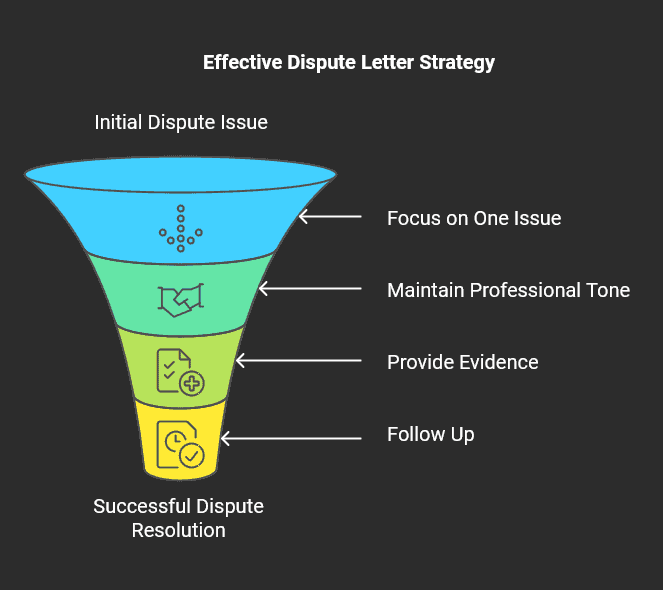
To increase the likelihood of a successful dispute and ensure that your date of last activity dispute letter makes the strongest impact, keep these tips in mind:
- Be specific and focus on one issue per dispute letter. If you have multiple errors to dispute, write separate date of last activity dispute letters for each one.
- Maintain a polite and professional tone throughout your letter. While it’s understandable to feel frustrated by errors on your credit report date of last activity, keeping a calm and composed demeanor will serve you better.
- Provide concrete evidence to support your claims. The more documentation you can provide, the stronger your case will be.
- Follow up with the credit reporting agency if you don’t receive a timely response. Persistence is key when it comes to date of last activity credit report disputes.
Start Today and Explore the Features Firsthand!
The Benefits of Mastering Date of Last Activity Disputes
By successfully disputing incorrect date of last activity on credit report, you can:
- Remove negative items from your credit report sooner, as they will age off based on the corrected date of last activity.
- Improve your credit score by having negative items removed earlier than they would have been otherwise.
- Increase your chances of approval for loans, credit cards, and other financial products, as a higher credit score makes you a more attractive borrower.
- Secure better interest rates and terms on credit products, saving you money in the long run.
- Gain peace of mind knowing that your credit report date of last activity accurately reflects your financial history and that you’re taking proactive steps to maintain your credit health.
Conclusion
Mastering the art of the date of last activity dispute letter is a critical skill for anyone looking to take control of their credit future. By understanding the significance of this date, identifying errors on your credit report date of last activity, and crafting compelling date of last activity dispute letters, you can unlock your credit potential and pave the way for a brighter financial future.
Remember, your credit report is a reflection of your financial history, and ensuring its accuracy is essential for achieving your goals. Whether you’re an entrepreneur looking to secure funding for your business, an individual working to overcome past credit challenges, or simply someone interested in maintaining a healthy credit profile, the power to improve your date of last activity credit report lies in your hands.
Stay informed, stay persistent, and don’t hesitate to seek help from credit repair professionals if needed. With the right knowledge and tools, you can master the date of last activity on credit report dispute process and take your credit to new heights.

Mark Clayborne
Mark Clayborne specializes in credit repair, starting and running credit repair businesses. He's passionate about helping businesses gain freedom from their 9-5 and live the life they really want. You can follow him on YouTube.
Start Today and Explore the Features Firsthand!
Below Is More Content For Your Review: