

Starting a credit repair business may look simple from the outside. You learn how disputes work, choose software, build a website, and start looking for clients. But the real work begins before you serve your first customer.
Many new business owners focus on dispute letters, marketing, and software. They often overlook the systems that keep the business secure, compliant, and organized. Your business name, website, payment processor, onboarding process, and customer journey all need careful planning.
These details can affect your reputation, cash flow, customer experience, and long-term growth. They can also create legal or operational problems when handled incorrectly.
This article covers five hard truths you should understand before starting a credit repair business. These lessons will help you build a stronger foundation, avoid common mistakes, and treat credit repair like the real business it is. Business results and income are never guaranteed, but proper systems can help you operate with more clarity and control.
Hard Truth #1: Your Business Name Can Create Problems Before You Launch

Choosing a business name may feel like one of the easiest parts of starting a credit repair business. In reality, it can create serious problems if you skip the research.
Before you register an LLC, buy a domain, design a logo, or create social media pages, check whether another company is already using the same or a similar name. A name can look available online and still conflict with an existing trademark.
Start by searching the United States Patent and Trademark Office database. Look for exact matches, similar spellings, and names used by companies that offer related financial or credit services. You should also check your state business registry, Google search results, domain availability, and major social media platforms.
A state may approve your business registration, but that does not automatically mean the name is free from trademark risk. Trademark disputes often focus on whether customers could confuse one company with another.
This matters because your business name will appear across your entire brand, including:
- Your website and domain
- Your business email address
- Your social media profiles
- Your contracts and disclosures
- Your logo and marketing materials
- Your payment and banking accounts
Changing the name later can cost time and money. You may need to rebuild your website, replace marketing materials, update legal documents, and explain the change to customers.
Complete your name research before investing in the brand. When you find a similar business or trademark, speak with a qualified trademark attorney before moving forward. That extra step can help you avoid a costly problem before your business opens.
Hard Truth #2: Your Website Needs Protection and Ongoing Management

Your website is one of the most important assets in your credit repair business. It introduces your services, builds trust, collects leads, and may guide customers into your onboarding process. That means it needs more than a clean design.
Many new owners treat a website like a one-time project. They pay someone to build it, publish a few pages, and assume the job is finished. In reality, your website requires regular updates, security checks, backups, and content reviews.
At a minimum, your website should have:
- Reliable hosting and an active SSL certificate
- Strong security, including malware scanning and login protection
- Automatic backups stored outside the main hosting account
You should also set up uptime monitoring. This alerts you when the website goes offline, so you can respond before potential clients leave or lose trust in the business.
Assign clear responsibility for website management. This may be a webmaster, developer, or trained team member. Someone should handle software updates, broken forms, security alerts, page errors, and website downtime.
Your website content also needs regular review. Avoid claims that promise guaranteed score increases, guaranteed deletions, loan approvals, or fixed result timelines. Every statement should be clear, accurate, and supported.
A professional website can help people trust your business. A neglected website can create security risks, missed leads, and compliance problems. Build it carefully, protect it, and maintain it as an active part of your business.
Hard Truth #3: Your Payment Processor Must Accept Your Business Model

Choosing a payment processor is more complicated than opening an account and connecting it to your website. Some platforms may restrict credit repair services, require extra review, or classify the business as higher risk.
This means you should review the provider’s current policies before accepting payments. Do not assume that a popular platform will support your business simply because it works for other service companies.
During the application process, the processor may review:
- Your business registration and bank account
- Your website, service agreement, and refund policy
- Your billing procedures and compliance disclosures
Always describe your services accurately. Hiding or misrepresenting the nature of the business can lead to account restrictions, delayed payouts, or account closure.
You should also understand the difference between collecting a customer’s card information and charging the customer. Federal laws, including the Credit Repair Organizations Act and the Telemarketing Sales Rule, may affect when payment can be collected. State laws may add other requirements.
Your billing process should clearly explain when charges occur, what services are being provided, and how cancellation or refunds are handled. It is also wise to have your payment process and customer agreement reviewed by a qualified attorney.
The right payment processor should understand regulated service businesses and support your actual billing model. Taking time to choose the right provider can help you avoid payment delays, frozen funds, and customer disputes later.
Hard Truth #4: Credit Repair Software Will Not Build the Business for You
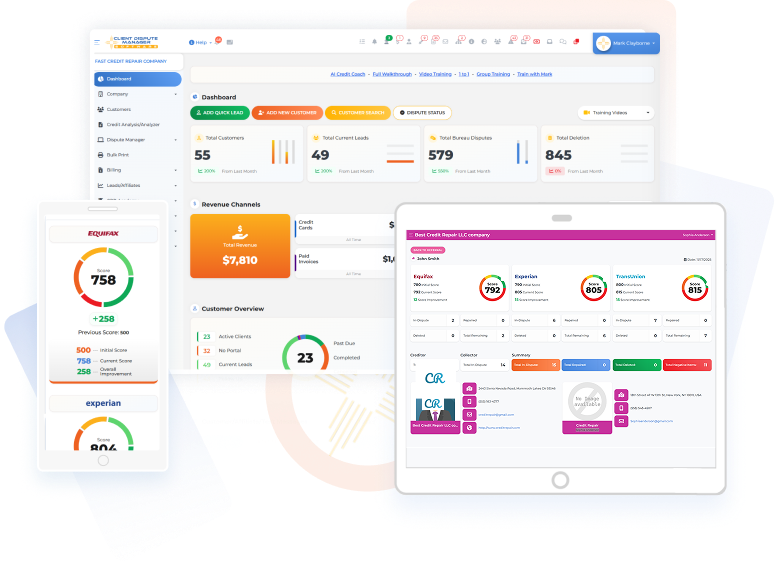
Credit repair software can help you manage important parts of the business, but it cannot replace a complete operating process. Buying a tool does not automatically give you a working marketing system, strong customer service, clear policies, or a trained team.
The software should support the business you are building. It can help you organize:
- Leads and customer records
- Dispute workflows and documents
- Communications, billing records, and progress tracking
But you still need to understand how the business works outside the software. That includes customer onboarding, compliance, complaint handling, recordkeeping, follow-up, and expectation setting.
This is where many new owners make a mistake. They choose software based only on its design or a long feature list. A better question is whether the platform gives you the support and structure needed to use those features correctly.
When comparing credit repair software, look for training, responsive support, built-in workflows, onboarding assistance, automation tools, and compliance resources. Community access and one-on-one guidance can also be valuable when you get stuck.
Client Dispute Manager Software is designed to support more than dispute management. It combines customer management, training, support, workflows, automation, and onboarding tools in one system.
The software can become the central hub of your credit repair business, but only after you build the right processes around it. Use software to support your operation, not as a substitute for learning how to run the business.
Hard Truth #5: Build the Process Before You Start Promoting

Promoting your credit repair business before you have a clear process can create confusion for both you and your customers. More leads will not help if you do not know what should happen after someone shows interest.
Before running ads, posting on social media, or asking for referrals, map out the full lead-to-client journey.
A simple process may look like this:
- A prospect visits your website or landing page
- The prospect submits a lead form
- Your business follows up with educational emails
- The prospect requests a consultation or begins onboarding
- The customer signs contracts and submits the required information
Not every prospect will be ready to sign up right away. Some people need time to understand the process, compare options, and decide whether your service is right for them. This is why lead nurturing matters.
Your follow-up emails should educate prospects, answer common questions, and explain the next step. Avoid pressure, fear-based messaging, and exaggerated claims. Each email should give the reader one clear action, such as booking a consultation or reviewing your onboarding page.
Your onboarding process should also be ready before promotion begins. It may include your service agreement, required disclosures, cancellation notice, identity documents, credit monitoring details, billing authorization, and secure document upload.
Client Dispute Manager Software includes Client Auto Signup and self-service signup tools that can help organize these steps. Customers can complete forms, sign documents, and submit information through a structured process.
The main lesson is simple: process comes before promotion. When your lead capture, follow-up, and onboarding systems are already in place, you can handle new interest with more consistency and fewer mistakes.
Starting a Credit Repair Business Takes Time
Starting a credit repair business is not a fast path to guaranteed income. It takes time to build trust, create reliable systems, learn the laws, and deliver consistent customer service.
Knowing how to dispute inaccurate information is only one part of the business. You also need to understand marketing, onboarding, billing, recordkeeping, compliance, and customer communication. Each area affects how professionally your company operates.
New owners should be careful with online claims that make the industry sound easy or promise quick financial results. Business performance can depend on your experience, local demand, service quality, consistency, and ability to follow federal and state requirements.
You also need time to build a reputation. Most customers will not hand over personal information or payment details without first trusting your business. A professional website, clear communication, strong support, and honest expectations can help build that trust.
Treat credit repair like a real long-term business. There are no guaranteed results, but patience, proper systems, and consistent work can give your company a stronger foundation.
Credit Repair Business Startup Checklist

Before you promote your services, make sure the main parts of your business are in place. Use this checklist to review your setup:
- Research your business name and check for trademark conflicts
- Register the business and open a business bank account
- Build a secure website and review every marketing claim
- Choose a payment processor that accepts your business model
- Prepare attorney-reviewed contracts, disclosures, and billing procedures
- Select credit repair software that supports your workflows
- Create a lead capture and email follow-up system
- Prepare a clear customer onboarding process
- Set up customer support and complaint-handling procedures
- Review federal and state requirements before serving clients
This checklist does not replace legal advice, but it can help you identify gaps before they become expensive problems. A strong setup gives you a better chance to serve customers consistently and run the business with fewer surprises.
Conclusion
Starting a credit repair business involves more than learning how disputes work. You need a clear business name, a secure website, a suitable payment process, reliable software, and a complete lead-to-client system.
These five areas shape how your business operates and how customers experience your service. When they are missing, even strong marketing can create more problems than growth.
Take time to build the foundation before you promote heavily. Review your processes, understand your legal responsibilities, and make sure every customer step is clear.
Client Dispute Manager Software can help organize leads, onboarding, disputes, documents, communication, and customer management in one place. You can also access step-by-step training to learn how to start, run, and grow a credit repair business with better systems and clearer expectations.
Business results are never guaranteed. Your outcome will depend on your preparation, service quality, compliance, consistency, and ability to earn customer trust.

Mark Clayborne
Mark Clayborne specializes in credit repair, starting and running credit repair businesses. He's passionate about helping businesses gain freedom from their 9-5 and live the life they really want. You can follow him on YouTube.
