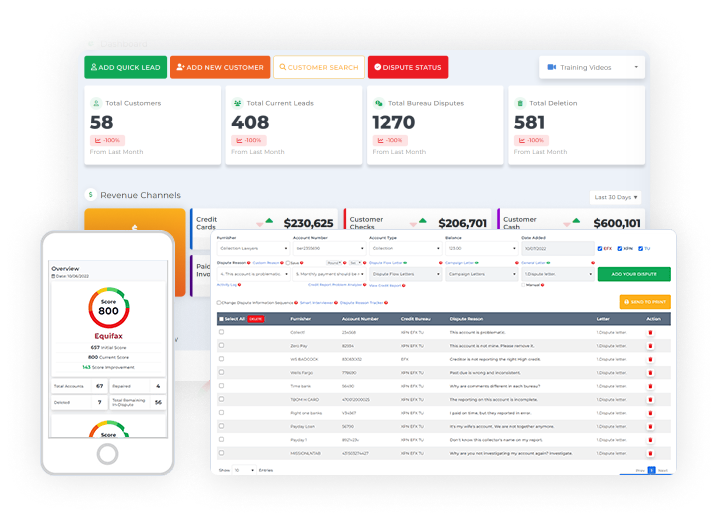

Starting a credit repair business in Utah presents a unique set of opportunities and challenges. This article aims to equip you with the essential knowledge of the state’s laws, enabling you to launch and operate a successful credit repair venture while complying with regulatory standards.
Business Formation

Decide on a business structure (e.g., sole proprietorship, partnership, LLC, corporation) and register your business with the Utah Division of Corporations and Commercial Code.
In Utah, there are several business formation options available for credit repair companies, including:
Sole Proprietorship:
A sole proprietorship is the simplest and most common business structure. It is a business owned and operated by one person, and the owner is personally responsible for all debts and liabilities of the business.
Limited Liability Company (LLC):
An LLC is a popular choice for small businesses, including credit repair companies. It provides limited liability protection to its owners, meaning that their personal assets are generally not at risk if the company faces legal or financial trouble.
Corporation:
A corporation is a separate legal entity from its owners, which means that it can own property, sue or be sued, and pay taxes. There are different types of corporations, including C corporations and S corporations, each with its own advantages and disadvantages.
Partnership:
A partnership is a business structure where two or more people own and operate the business together. There are several types of partnerships, including general partnerships, limited partnerships, and limited liability partnerships.
Obtain an EIN

Apply for an Employer Identification Number (EIN) from the Internal Revenue Service (IRS). This is necessary for tax purposes and to open a business bank account.
You can apply for an Employer Identification Number (EIN) from the Internal Revenue Service (IRS) in several ways:
Online:
The easiest and fastest way to apply for an EIN is through the IRS website. You can fill out the online application form and receive your EIN immediately.
Mail or Fax:
You can also apply for an EIN by completing Form SS-4 (Application for Employer Identification Number) and mailing or faxing it to the IRS. You can download the form from the IRS website.
Phone:
If you are located in the United States or U.S. territories, you can apply for an EIN by calling the IRS Business & Specialty Tax Line at 1-800-829-4933. The hours of operation are Monday through Friday, from 7 a.m. to 7 p.m. local time.
When applying for an EIN, you will need to provide information such as the legal name of your business, the type of entity (e.g., sole proprietorship, partnership, LLC, corporation), the reason for applying, and the name and Social Security number (or Individual Taxpayer Identification Number) of the responsible party.
It’s important to note that an EIN is required for most types of businesses, including credit repair companies, and is used for tax purposes and other business-related activities.
Business License

Check with your local city or county government office to determine if you need a business license or permit to operate a credit repair business in your area.
Here are some of the licenses that credit repair companies may need to obtain in Utah:
Business License:
A business license is required for all businesses operating in Utah. Credit repair companies can obtain a business license by submitting an application to the Utah Department of Commerce Division of Corporations and Commercial Code.
Professional License:
If the credit repair company employs licensed professionals, such as attorneys or certified public accountants (CPAs), the company may need to obtain additional professional licenses or certifications.
Sales Tax License:
If the credit repair company sells tangible goods, it may need to obtain a sales tax license from the Utah State Tax Commission.
Surety Bond:
Utah requires credit repair companies to post a surety bond of at least $10,000 to ensure compliance with state laws and regulations.
Federal Trade Commission (FTC) Compliance:
Credit repair companies must comply with the Federal Credit Repair Organizations Act (CROA) and may need to register with the FTC.
Register with the Utah Division of Consumer Protection

As a credit repair organization, you may need to register with the Utah Division of Consumer Protection. They enforce the Credit Repair Organizations Act (CROA) and Utah Credit Services Organizations Act, which aim to protect consumers from fraudulent and deceptive practices.
Visit the Utah Division of Consumer Protection Website:
Navigate to their official website to find information and resources related to registering your credit repair business.
Locate the Registration Form:
Look for the Credit Services Organization (CSO) registration form or application. This form may be available for download on their website, or you may need to contact the Division directly to obtain a copy.
Complete the Application:
Fill out the registration form, providing all the necessary information about your credit repair business, including your business name, address, contact information, and a description of the services you’ll be providing.
Gather Required Documents
You may need to provide additional documents, such as proof of your surety bond, copies of your contracts, and any other required paperwork.
Submit the Application:
Send your completed application, required documents, and any applicable fees to the Utah Division of Consumer Protection. You may need to submit the application online, by mail, or in person, depending on the available options.
Await Approval:
Once you have submitted your application, wait for the Division to review and approve it. They will notify you of their decision and provide any necessary instructions or guidance.
Be sure to consult the Utah Division of Consumer Protection’s website or contact them directly for the most current and accurate information.
Utah Division of Consumer Protection contact information:
- Website: https://dcp.utah.gov/
- Address: 160 East 300 South, 2nd Floor, Salt Lake City, Utah 84111
- Phone: (801) 530-6601
- Email: consumerprotection@utah.gov
Bond Requirement

Utah may require credit repair businesses to obtain a surety bond to protect consumers. The amount may vary, so check with the Division of Consumer Protection for the specific bond requirements.
The bond amount required for a credit repair business in Utah is $100,000. This amount may be subject to change, so it is essential to consult the Utah Division of Consumer Protection or a legal professional for the most current and accurate information.
To obtain a surety bond, you will need to work with a surety bond company or insurance agent that offers surety bonds for credit services organizations. The cost of the bond will typically be a percentage of the total bond amount, which may vary depending on your credit score and other factors.
Keep in mind that you are responsible for any claims made against the bond, so it’s important to operate your business ethically and in compliance with all applicable laws and regulations.
Once you have obtained the required surety bond, you will need to submit proof of the bond to the Utah Division of Consumer Protection as part of your credit repair business registration process.
Understand and Comply with State and Federal Laws

Familiarize yourself with state and federal laws that govern credit repair businesses, such as the CROA, Utah Credit Services Organizations Act, and the Fair Credit Reporting Act (FCRA).
There are several federal laws regulating credit repair businesses in the United States. Here are some of the key laws that credit repair businesses must comply with:
The Credit Repair Organizations Act (CROA):
This federal law regulates credit repair companies and prohibits them from making false or misleading claims about their services, charging upfront fees before services are provided, and making guarantees about the results of their services.
The Fair Credit Reporting Act (FCRA):
This federal law regulates the collection, use, and dissemination of consumer credit information by credit reporting agencies. Credit repair companies must comply with the FCRA when disputing inaccurate information on a client’s credit report.
The Truth in Lending Act (TILA):
This federal law requires creditors to provide consumers with accurate information about the costs and terms of credit, including annual percentage rates (APRs) and finance charges. Credit repair companies must comply with TILA when advising clients on credit and debt management.
The Fair Debt Collection Practices Act (FDCPA):
This federal law regulates the practices of debt collectors and prohibits them from engaging in abusive or harassing behavior when attempting to collect a debt. Credit repair companies that offer debt settlement or negotiation services must comply with the FDCPA.
The Utah Code §13-21-1 et seq. refers to a section of Utah’s state laws, specifically the “Credit Services Organizations Act.” This act provides regulations and guidelines for credit services organizations, including credit repair businesses, operating within the state of Utah.
The purpose of the act is to protect consumers from deceptive or fraudulent practices by credit repair companies and ensure that these businesses operate fairly and transparently.
Here is an overview of some of the key provisions in the Credit Services Organizations Act:
- Definitions: The act provides definitions for terms like “credit services organization,” “buyer,” “extension of credit,” and “person,” which help to clarify the scope and applicability of the law.
- Registration: Credit services organizations are required to register with the Division of Consumer Protection and provide relevant information, such as their business name, address, and a description of the services they offer.
- Surety Bond: The act requires credit services organizations to obtain a surety bond or establish a trust account to protect consumers from potential financial loss. The bond or trust account must be maintained in a specific amount determined by the state.
- Disclosures and Contracts: Credit services organizations must provide consumers with written contracts that include specific information, such as the terms and conditions of the agreement, a detailed description of the services to be provided, the total cost of the services, and the buyer’s right to cancel the contract.
- Prohibited Practices: The act outlines several prohibited practices for credit services organizations, such as making false or misleading statements, engaging in fraud, charging or receiving fees before completing services, and failing to perform the agreed-upon services.
- Enforcement: The Division of Consumer Protection is responsible for enforcing the provisions of the act and may take legal action against credit services organizations that violate the law.
- Penalties: Violations of the act may result in civil penalties, including fines, as well as potential revocation of the credit services organization’s registration.
Create Contracts and Disclosures

Develop contracts and disclosures that comply with state and federal laws. Make sure to include all required information, such as payment terms, cancellation rights, and a description of services.
Utah Code §13-21-7 is a section within the Utah Credit Services Organizations Act, specifically addressing the required disclosures and the form and content of a credit services organization’s contract with a consumer.
This section is intended to ensure that consumers are well-informed about the terms and conditions of the services they receive from a credit repair company.
Disclosures:
Before executing a contract or agreement with a buyer, or receiving money or other valuable consideration, a credit services organization must provide a written statement containing the following information:
- A complete and accurate statement of the buyer’s right to review any file on the buyer maintained by a consumer reporting agency.
- A statement that the buyer may review the buyer’s file at no charge if a request is made to the consumer reporting agency within 30 days after receiving notice that credit has been denied.
- The approximate price the buyer will be charged by the credit services organization for obtaining the buyer’s file.
- A complete and accurate statement of the buyer’s right to dispute directly with the consumer reporting agency the completeness or accuracy of any item contained in the buyer’s file.
- A statement that accurate information cannot be permanently removed from the files of a consumer reporting agency.
Contract Requirements:
Every contract between a credit services organization and a buyer must be in writing, dated, signed by the buyer, and include the following information:
- A statement, in at least 10-point boldface type, of the buyer’s right to cancel the contract without any penalty or obligation within five business days after the date the contract is executed.
- The terms and conditions of payment, including the total of all payments to be made by the buyer, whether to the credit services organization or to another person.
- A detailed description of the services to be performed by the credit services organization for the buyer and the total cost of the services. d. The buyer’s right to proceed against the bond or trust account required by the Utah Credit Services Organizations Act.
Develop a Marketing Plan

Create a marketing strategy to attract clients, which may include online advertising, social media, and local networking events.
Developing a good marketing plan for a credit repair business in Utah involves several steps. Here are some key considerations to keep in mind:
- Identify Your Target Market: Determine the specific audience you want to reach, such as individuals with poor credit scores or those who have recently been denied credit.
- Analyze the Competition: Conduct research on other credit repair companies in Utah to determine what services they offer, how they market themselves, and how you can differentiate your business.
- Develop A Value Proposition: Identify what sets your credit repair business apart from others and articulate this in your marketing message.
- Define Your Marketing Mix: Determine the specific tactics you will use to reach your target market, such as social media, email marketing, direct mail, or advertising.
- Set A Budget: Determine how much you can afford to spend on marketing and allocate your budget across different tactics.
- Create A Content Plan: Develop a plan for creating and sharing valuable content that educates and engages your target market.
- Measure Results: Set up tracking and reporting mechanisms to measure the effectiveness of your marketing efforts and adjust your plan as needed.
It’s important to note that marketing a credit repair business requires compliance with federal and state regulations, such as the Credit Repair Organizations Act (CROA) and the Utah Credit Services Organizations Act. It’s a good idea to consult with an attorney or regulatory expert to ensure that your marketing efforts are in compliance with all applicable laws and regulations.
Set Up An Office

Establish a professional office space, either at home or in a commercial location, to meet with clients and conduct your business operations.
Setting up an office for a credit repair business in Utah involves several steps. Here are some key considerations to keep in mind:
- Determine The Space Needed: Determine the amount of space required to operate the business, including office space for employees, meeting rooms for clients, and storage space for files and equipment.
- Choose A Location: Choose a location that is convenient for clients, accessible by public transportation, and in compliance with local zoning and building codes.
- Acquire Necessary Equipment: Purchase or lease necessary equipment, such as computers, phones, printers, and furniture.
- Set Up Communication Systems: Set up a phone system, email account, and website to communicate with clients.
- Establish A Security System: Establish security measures to protect client data and business assets, such as secure file storage, password-protected computers, and cybersecurity software.
- Obtain Necessary Permits and Licenses: Obtain any necessary permits and licenses required to operate a credit repair business in Utah, such as a business license or professional license.
- Develop Policies and Procedures: Develop policies and procedures for managing client information, handling disputes, and ensuring compliance with all applicable laws and regulations.
It’s important to note that credit repair businesses are subject to federal and state regulations, such as the Credit Repair Organizations Act (CROA) and the Utah Credit Services Organizations Act. It’s a good idea to consult with an attorney or regulatory expert to ensure that your office setup and operations are in compliance with all applicable laws and regulations.
Build A Website
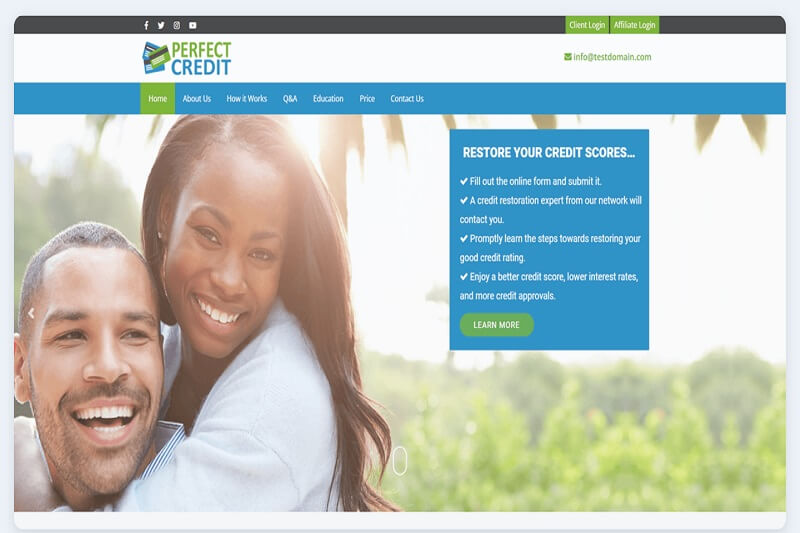
Create a website to showcase your services, provide contact information, and establish credibility. Building a good website for a credit repair business in Utah involves several steps. Here are some key considerations to keep in mind:
- Choose a Platform: Choose a website platform that is easy to use and customize, such as WordPress, Squarespace, or Wix.
- Determine Your Domain Name: Choose a domain name that is easy to remember and relevant to your business, such as your company name or a relevant keyword.
- Design Your Website: Choose a design that is professional, visually appealing, and reflects your brand identity. Ensure that your website is easy to navigate and includes clear calls-to-action.
- Create Valuable Content: Create valuable content that educates and informs your audience, such as blog posts, articles, and infographics.
- Optimize For Search Engines: Optimize your website for search engines by including relevant keywords in your content and meta tags, and ensuring that your website is mobile-friendly and loads quickly.
- Include Social Proof: Include testimonials from satisfied clients and any industry awards or certifications to build credibility and trust.
- Ensure Compliance with Regulations: Ensure that your website is compliant with federal and state regulations, such as the Credit Repair Organizations Act (CROA) and the Utah Credit Services Organizations Act.
- Provide Clear Contact Information: Provide clear contact information, including a phone number, email address, and physical address, so that potential clients can easily get in touch with you.
Obtain Business Insurance

Obtain general liability and professional liability insurance to protect your business from potential lawsuits and other liabilities.
Here are some types of insurance that credit repair businesses in Utah may want to consider:
General Liability Insurance:
This type of insurance provides protection against claims of bodily injury, property damage, and personal injury that may arise from your business operations. It can also cover legal fees and settlements.
Professional Liability Insurance:
Also known as errors and omissions insurance, this type of insurance provides protection against claims of negligence or mistakes in the professional services provided. It can cover legal fees and settlements, as well as damages awarded to clients.
Cyber Liability Insurance:
This type of insurance provides protection against cyber-attacks, data breaches, and other security incidents that may compromise client information. It can cover costs related to notifying affected clients, credit monitoring, and legal fees.
Commercial Property Insurance:
This type of insurance provides protection for physical assets, such as office space, equipment, and furniture, against damage or loss due to events such as fire, theft, or natural disasters.
Workers' Compensation Insurance:
If the credit repair business has employees, workers’ compensation insurance is required in Utah. It provides coverage for medical expenses and lost wages for employees who are injured or become ill on the job.
In conclusion, starting a credit repair business in Utah requires careful attention to the legal framework governing the industry. By familiarizing yourself with the laws and regulations outlined in this article, you can establish a solid foundation for your venture. Remember to consult with legal professionals to ensure compliance and provide the best possible service to your clients.
Bonus: Now that you have read this article, why not take your new skill and start your own credit business helping others? We have free training that can help you do just that.