Medical debt credit report errors affect millions of people every year. You go to the hospital, trust your insurance, then months later a collection account appears. In many cases, the balance is wrong, outdated, or should never have been reported.
This is how wrong medical debt damages your credit score, blocks loans, and creates stress you did not expect. If you have ever asked does medical debt affect credit or how to remove medical debt legally, you are not alone.
This guide shows you how to remove medical debt step by step using legal, proven methods. You will learn how to dispute medical bills, use medical debt validation, and send a proper Medical Debt Validation Letter when required.
You will also learn why medical bills end up on a credit report, when they violate the rules, and how to remove medical bills from a credit report without guessing or taking risks. If medical debt is holding back your credit or business plans, these steps will help you take control.
Key Takeaways:
- Medical debt credit report entries are often wrong due to billing errors, insurance delays, or missing documentation, not missed payments.
- You can remove medical debt legally by reviewing bills, requesting medical debt validation, and disputing medical bills with proper proof.
- A Medical Debt Validation Letter forces collectors to prove accuracy, and many cannot, which supports removal.
- Federal and state laws protect you when medical debt is reported incorrectly, even when policies and court rulings change.
- Ongoing record keeping, early follow-up on new bills, and organized dispute tracking help prevent medical debt from damaging your credit again.
How Medical Debt Ends Up on a Credit Report in the First Place?

Before you can remove medical debt, you need to understand how it gets reported. Many people assume any unpaid medical bill automatically shows up on a credit report. That is not true. Medical debt usually appears only after a bill is sent to collections.
Even then, reporting rules are different from other types of debt. This confusion is one reason medical debt credit report errors are so common.
What Counts as Medical Debt on a Credit Report?
Medical debt starts as a medical bill from a hospital, doctor, lab, or health care provider. On its own, a medical bill does not appear on your credit report. It becomes reportable only after it is transferred to a collection agency. At that point, it may show up as a medical debt collection account.
Medical debt should not be reported if:
- Insurance is still processing the claim
- The balance is under review or appeal
- The bill was paid, adjusted, or forgiven
- The account was sent to collections too soon
Understanding this difference matters because many people try to dispute medical bills without realizing the debt should never have been reported in the first place.
Common Causes of Wrong Medical Debt Reporting
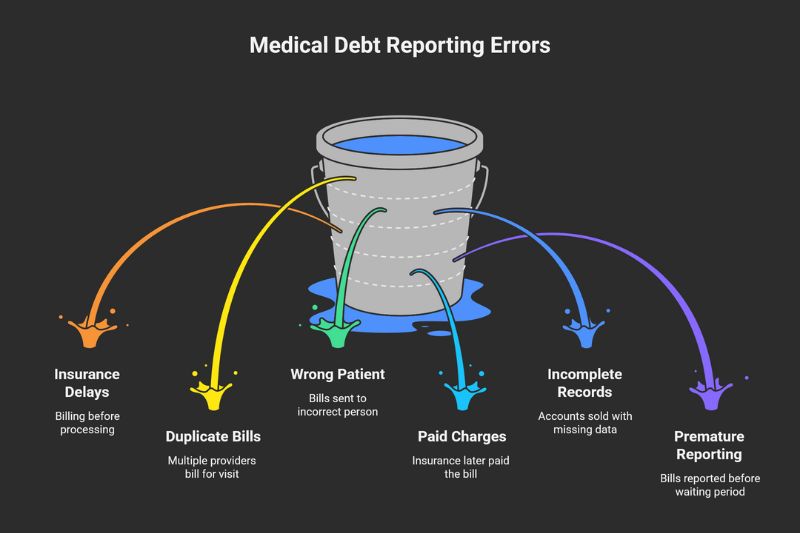
Wrong medical debt often comes from system breakdowns, not missed payments. Insurance delays are a major cause. A provider may bill you before insurance finishes processing, then send the balance to collections. Duplicate or outdated medical bills are also common, especially when multiple providers bill for the same visit.
Other frequent causes include:
- Bills sent to the wrong patient
- Charges that insurance later paid
- Accounts sold to debt buyers with incomplete records
- Medical bills reported before the allowed waiting period
These errors create medical debt that looks valid on paper but is inaccurate under the law. This is where dispute medical bills and medical debt validation become critical tools.
Does Medical Debt Affect Credit Scores?
Yes, medical debt can affect credit, especially when it appears as a collection account. Medical debt credit report entries can lower your score, raise interest rates, and limit access to loans. For entrepreneurs, this can also affect business credit, approvals, and personal guarantees tied to financing.
The impact depends on:
- Whether the debt is accurate
- How long it has been reported
- Whether it is actively disputed
The good news is that medical debt follows different rules than other collections. When the debt is wrong or improperly reported, you often have strong grounds to remove medical debt legally.
Review Medical Bills Carefully Before You Dispute Medical Bills

Before you dispute medical bills on a credit report, you must confirm the bill itself is accurate. Many disputes fail because people skip this step. Medical billing systems are complex, and small mistakes can turn into large credit problems. Reviewing your medical bills first helps you identify wrong medical debt and strengthens every dispute that follows.
How to Check Medical Bills for Billing and Insurance Errors?
Start by reviewing each bill line by line. Check the dates of service and make sure they match when you actually received care. Confirm the provider name is correct, especially if multiple doctors or facilities were involved. Compare the charged amounts to your explanation of benefits from your insurance company. The amount billed is often not the amount you legally owe.
Pay close attention to:
- Services listed that you do not recognize
- Charges that exceed your deductible or co-pay
- Bills marked as unpaid while insurance was still pending
These mistakes are common and often lead to medical debt being reported incorrectly.
Signs You Are Dealing With Wrong Medical Debt
Wrong medical debt usually has clear warning signs. You may see a balance for care you never received or a bill that should have been covered by insurance. In some cases, the debt appears after insurance approved the claim but the provider failed to update the account.
Common red flags include:
- Bills sent after insurance paid
- Duplicate charges for the same service
- Collection accounts with missing details
- Balances that change without explanation
When you spot these issues, you have a strong reason to remove medical debt through proper disputes and medical debt validation.
Why Documentation Matters When You Dispute Medical Bills?
Documentation protects your rights and gives your dispute credibility. Credit bureaus and collectors rely on records. When you dispute medical bills without proof, your dispute is easier to dismiss. Clear documentation shows that the medical debt credit report entry is inaccurate or incomplete.
Helpful records include:
- Itemized medical bills
- Insurance explanations of benefits
- Payment receipts or adjustment notices
- Written communication with providers
Strong documentation makes your dispute harder to ignore and improves your chances of removing medical bills from a credit report legally.
Medical Debt Validation and Why It Is Critical?

Medical debt validation is one of the most effective ways to challenge medical debt credit report errors. Many collection accounts appear without proper proof. Debt collectors often receive limited data when medical bills are transferred or sold. If they cannot verify the details, the debt may not be allowed to remain on your credit report. This step is especially important when you are dealing with wrong medical debt or third-party collectors.
What Medical Debt Validation Means for Your Credit Report?
Medical debt validation is your legal right to demand proof that a debt is accurate and belongs to you. When you request validation, the collector must confirm the amount, the original provider, and that the debt was reported correctly. If they cannot do this, the medical debt credit report entry becomes questionable under the law.
Collectors must be able to show:
- The name of the original medical provider
- The date of service
- The amount owed and how it was calculated
- Proof the debt was transferred legally
If this information is missing or incomplete, you have grounds to dispute medical bills and challenge the listing.
How to Dispute Medical Bills on Your Credit Report Correctly?

Once you confirm errors and complete medical debt validation, the next step is disputing the account with the credit bureaus. This is where many people make costly mistakes. A dispute must be clear, supported by facts, and focused on accuracy. When done correctly, disputing medical bills forces the credit bureaus to verify the information or remove it.
How to Dispute Medical Debt With Credit Bureaus?
You can dispute medical debt with all three major credit bureaus. The key is to dispute specific errors, not the debt in general. Vague disputes often fail because bureaus rely on automated responses from collectors.
Your dispute should include:
- The account name and number
- A clear explanation of what is wrong
- Supporting documents such as bills or insurance records
- A request for correction or removal
Always keep copies of everything you send. This paper trail protects your rights and supports follow-up action if needed.
Why Medical Debt Disputes Often Fail?
Many disputes fail because they are rushed or incomplete. People often dispute medical bills without reviewing the bill or requesting validation first. Others use generic dispute language that does not address the actual error.
Common mistakes include:
- Disputing without documentation
- Failing to identify the specific error
- Skipping medical debt validation
- Missing response deadlines
These mistakes weaken your position and give collectors an easy reason to verify the account without real review.
Medical Debt Collection Laws by State and Your Rights

Medical debt is not handled the same way in every state. Collection rules, reporting timelines, and consumer protections can vary. These differences matter when you are trying to remove medical debt or dispute medical bills on a credit report. Understanding how state laws interact with federal rules gives you more control and helps you identify violations that support removal.
Why Medical Debt Collection Laws by State Matter?
Each state sets its own limits on how medical debt can be collected. Some states restrict how soon a medical bill can be sent to collections. Others limit how long a collector can legally pursue payment. These rules affect whether medical debt credit report entries are valid or reported too early.
State laws may affect:
- When a medical bill can enter collections
- How long medical debt can be collected
- What notices collectors must send
- What actions are prohibited
If a collector violates state rules, the debt may be considered improperly reported. This creates leverage when you seek to remove medical bills from a credit report.
How Federal Laws Protect You From Medical Debt Errors?
Federal law adds another layer of protection. The Fair Credit Reporting Act requires that all information on your credit report be accurate and verifiable. Regulation V reinforces these requirements and governs how disputes must be handled. If a collector cannot verify medical debt properly, it should not remain on your credit report.
HIPAA also plays a role in medical debt reporting. While collectors can report a balance, they must limit the sharing of private medical details. Improper handling of medical information can support a dispute or validation challenge.
When federal and state laws are violated, medical debt validation and credit bureau disputes become much stronger. Knowing these protections helps you challenge errors with confidence and remove medical debt legally.
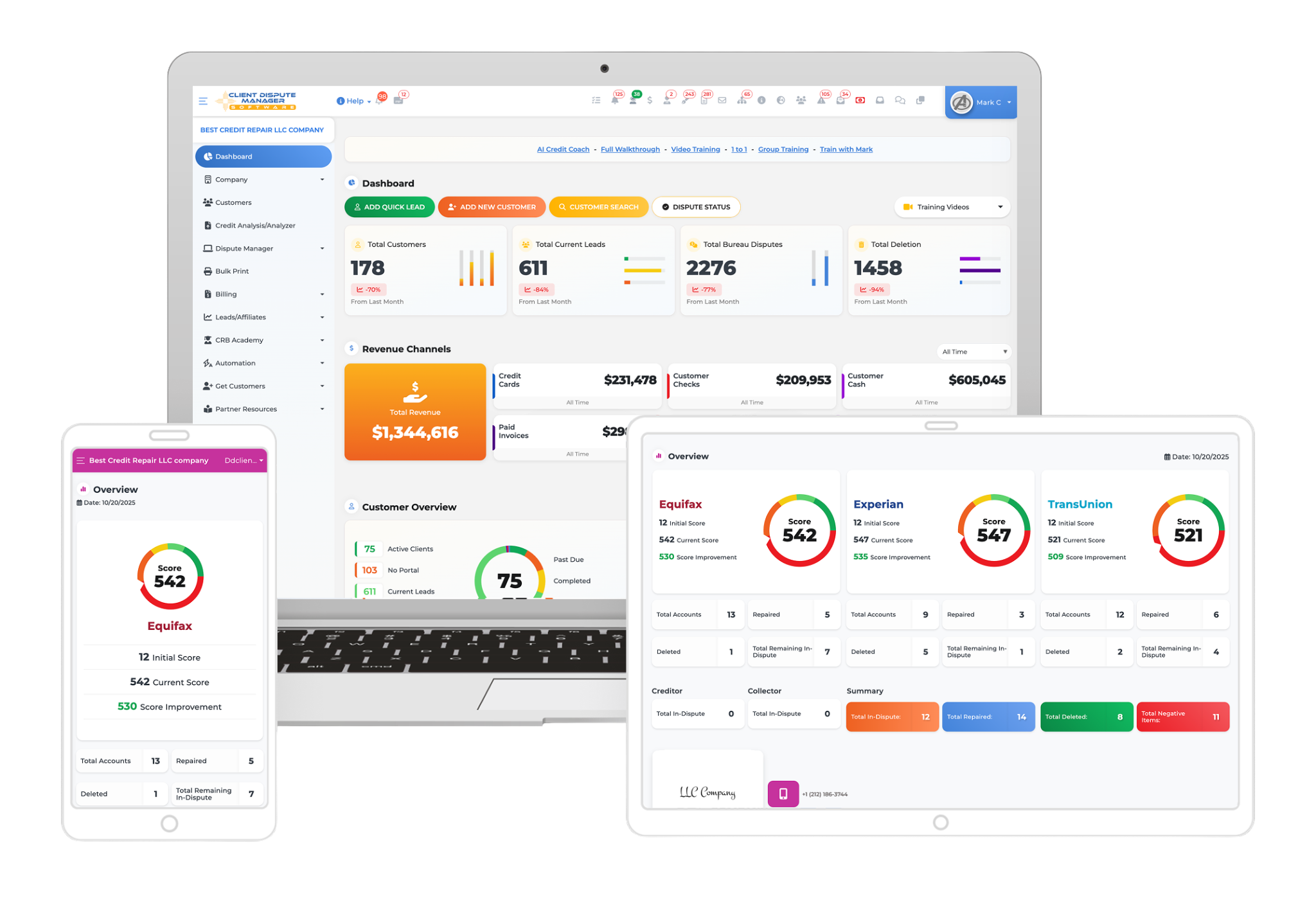
How Client Dispute Manager Software Supports Medical Debt Credit Report Disputes?

Managing medical debt disputes involves multiple steps, deadlines, and documents. Client Dispute Manager Software helps you keep everything organized in one place. Instead of tracking medical bills, validation letters, and credit bureau responses manually, you can document each action clearly and consistently.
When dealing with medical debt credit report issues, timing and records matter. Client Dispute Manager Software helps you log disputes, store medical debt validation responses, and track follow-ups with credit bureaus and collectors. This reduces missed deadlines and helps you spot when a dispute was ignored or handled incorrectly.
While the software does not remove medical debt on its own, it supports a structured process that makes disputing medical bills more accurate and easier to manage over time.
Start Today and Explore the Features Firsthand!
Key Features of Client Dispute Manager Software
Client Dispute Manager Software is built to support structured, accurate dispute workflows. These features help you manage medical debt credit report issues with clarity and control.
Key features include:
- Centralized document storage that keeps medical bills, insurance explanations, payment records, and dispute letters in one secure place
- Dispute timeline tracking that helps you monitor when disputes were sent, when responses are due, and when follow-up action is required
- Medical debt validation tracking that logs validation requests, collector responses, and missing documentation
- Credit bureau response management that records investigation results and status changes for each disputed account
- Communication history logs that document calls, letters, and written notices from collectors and credit bureaus
- Progress tracking tools that help you monitor credit report updates over time and identify unresolved errors
- Multi-account organization that allows you to manage several medical debt credit report entries without confusion
These detailed features help you dispute medical bills accurately, stay consistent with follow-ups, and maintain clear records while working to remove medical debt legally.
Start Today and Explore the Features Firsthand!
How to Prevent Medical Debt From Returning to Your Credit Report?
Removing medical debt is only part of the process. The next goal is preventing the same problem from happening again. Many people fix errors once, only to see new medical debt appear months later. A few simple habits can protect your credit report and reduce the risk of future issues.
How to Handle New Medical Bills the Right Way?
Take action as soon as a medical bill arrives. Do not assume insurance is finished or that a balance is final. Review the bill, compare it to your insurance explanation, and confirm the provider has the correct information. Early follow-up prevents small issues from becoming medical debt credit report problems.
Key steps include:
- Requesting itemized bills
- Confirming insurance claims were processed
- Following up on denied or delayed claims
- Keeping track of due dates and notices
Handling medical bills early reduces the chance they are sent to collections incorrectly.
Frequently Asked Questions (FAQs)
Can Medical Debt Be Erased From a Credit Report Legally?
Yes, medical debt can be removed from a credit report legally when it is inaccurate, incomplete, or improperly reported. Many medical debt credit report entries involve billing errors, insurance delays, or missing documentation.
When a collector cannot validate the debt or the credit bureau cannot verify accuracy, the account should be corrected or removed. Using medical debt validation and proper disputes gives you a legal path to remove medical debt without guessing or taking risks.
Does Medical Debt Get Forgiven or Fall Off on Its Own
Medical debt does not automatically get forgiven. In some cases, it may fall off a credit report after the reporting period ends, but this can take years. Waiting does not fix wrong medical debt or credit damage in the meantime. Errors remain until they are challenged. Disputing medical bills and requesting validation is often faster and more effective than waiting for time to pass.
How to Remove Medical Debt Step-by-Step?
Removing medical debt follows a clear process. First, review your medical bills for errors. Next, request medical debt validation from the collector. Then dispute medical bills with the credit bureaus using documentation. Track responses and follow up if the debt is not corrected. This step-by-step approach focuses on accuracy and legal rights, not payment pressure.
How Client Dispute Manager Software Helps With Medical Debt Disputes?
Medical debt disputes require strong records and clear timelines. Client Dispute Manager Software helps you store medical bills, insurance documents, and validation responses together. This makes it easier to dispute medical bills, follow up on medical debt validation requests, and track whether collectors respond on time.
Why Entrepreneurs Must Watch Medical Debt Closely?
Medical debt can create risks beyond personal finances, especially for entrepreneurs. Many business owners rely on personal credit for funding, equipment, or startup costs. A medical debt credit report entry can lower approval odds, increase interest rates, or delay business growth. Even a single collection account can affect decisions tied to loans or lines of credit.
Personal credit issues often spill into business credit. Lenders may review both when you apply for financing or sign personal guarantees. If wrong medical debt appears on your credit report, it can limit options before you realize there is a problem.
This is why entrepreneurs should monitor medical bills, dispute medical bills quickly, and use medical debt validation to protect both personal and business credit.
Conclusion
Medical debt does not have to control your credit or your future. Many medical debt credit report entries are wrong, incomplete, or reported before they should be. When you understand how medical debt works, you can spot errors early and take action. Reviewing bills, using medical debt validation, and disputing medical bills the right way gives you control instead of uncertainty.
Removing medical debt is a process, not a shortcut. Each step builds on the last, from documentation to disputes and follow-up. When you focus on accuracy and your legal rights, you protect your credit and reduce long-term risk. Whether you are fixing personal credit or planning business growth, staying informed helps you remove medical debt legally and keep your credit report clean going forward.

Mark Clayborne
Mark Clayborne specializes in credit repair, starting and running credit repair businesses. He's passionate about helping businesses gain freedom from their 9-5 and live the life they really want. You can follow him on YouTube.
Start Today and Explore the Features Firsthand!